When the Call Comes In
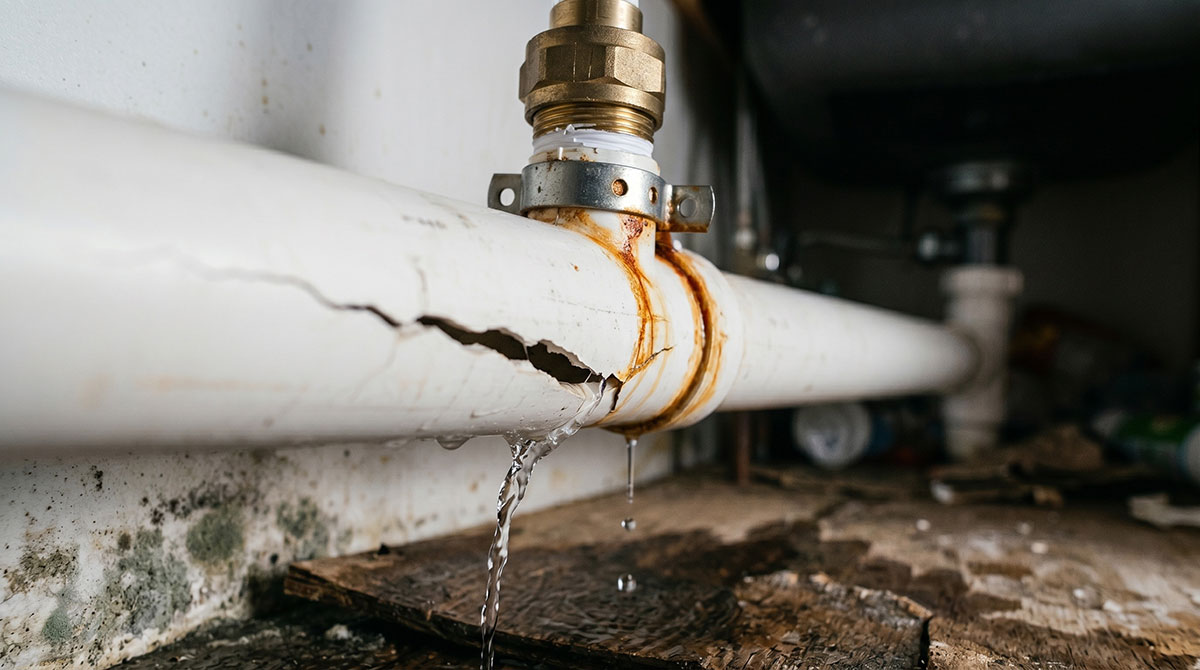
In plumbing, not every job can wait. Some calls come in with urgency, stress, and real pressure behind them. A burst pipe, a major leak, or a backed-up system can quickly turn into a serious problem for a home or business. When those calls come in, there is no delay. You respond.
Emergency calls are a different level of responsibility. The client is not just looking for a service. They are looking for immediate help. In many cases, they are dealing with damage, disruption, or uncertainty. From the moment I pick up the phone, I understand that time matters.
The Reality of Pressure
Pressure in emergency situations comes from multiple directions. There is the urgency of the problem, the expectations of the client, and the responsibility to resolve the issue correctly. You have to think fast, but you also have to think clearly.
I have learned that staying calm is one of the most important skills in these moments. If you rush without focus, mistakes happen. If you panic, the situation can escalate. The key is to stay controlled, assess the situation, and take action with purpose.
Clients can sense confidence. When you arrive and handle the situation with a steady approach, it helps ease their stress. That level of professionalism makes a difference.
Arriving on Site
When I arrive at an emergency job, the first step is always assessment. I take a few moments to understand what is happening, where the issue is coming from, and how serious it is. It may seem like a small step, but it is critical.
Jumping straight into a repair without understanding the full situation can lead to bigger problems. I look at the system, identify the source, and determine the best course of action. In some cases, the priority is to stop the immediate damage. In others, it is about stabilizing the system before moving forward.
Every situation is different, and experience plays a big role in making those decisions quickly and effectively.
Making Fast, Smart Decisions
Emergency plumbing requires decision-making under pressure. There is often no perfect solution in the moment. You have to choose the best option based on the information available.
I focus on solving the immediate problem first. Stopping a leak, shutting down a system, or preventing further damage becomes the priority. Once the situation is under control, I can take the next steps toward a complete repair.
These decisions are guided by experience, training, and preparation. Over time, you learn how to recognize patterns, anticipate issues, and act with confidence.
Communication During Emergencies
Clear communication is critical during emergency calls. Clients are often stressed, and they need to understand what is happening. I make it a point to explain the situation in simple terms.
I tell them what the problem is, what steps I am taking, and what they can expect moving forward. This transparency builds trust and helps them feel more in control of the situation.
Even in high-pressure moments, taking the time to communicate properly makes a difference. It shows professionalism and respect for the client.
The Physical and Mental Demands
Emergency calls are not just challenging from a technical standpoint. They can be physically and mentally demanding as well. Long hours, late nights, and unpredictable situations are part of the job.
You might be responding to a call early in the morning or late at night. You might walk into a situation that requires immediate physical effort and focus. Staying sharp and maintaining energy is important.
Mental focus is just as critical. You have to stay alert, make decisions quickly, and maintain a high level of performance even under stress. Over time, you build the endurance to handle these demands, but it requires discipline and commitment.
Turning Stress Into Trust
One thing I have learned is that emergency situations are opportunities to build trust. When someone calls during a crisis and you show up ready, prepared, and professional, it leaves a lasting impression.
Clients remember how you handle those moments. They remember the response time, the attitude, and the results. A well-handled emergency call can turn a first-time client into a long-term relationship.
It is not just about fixing the problem. It is about how you show up when it matters most.
Preparation Makes the Difference
Handling emergencies effectively comes down to preparation. Having the right tools, the right knowledge, and the right mindset allows you to respond with confidence.
I make sure my equipment is ready and that I am prepared for a range of situations. You cannot predict every problem, but you can prepare for most of them.
Preparation reduces hesitation. It allows you to move quickly without sacrificing quality. In emergency situations, that balance is critical.
Emergency plumbing is one of the most demanding parts of the job. It requires speed, focus, and the ability to perform under pressure. But it is also one of the most important aspects of the work.
Being able to respond when people need help the most is a responsibility I take seriously. Every emergency call is a chance to solve a problem, protect a home or business, and build trust with a client.
In my experience, pressure is not something to avoid. It is something to manage. When handled correctly, it brings out the best in your skills, your mindset, and your approach to the work.
At the end of the day, it is not just about fixing pipes. It is about showing up when it matters and delivering results when there is no time to waste.